
Cannabis Edibles
Understanding the Side Effects of Edibles: What You Should Know Before Using THC Gummies

Jul
Cannabis edibles have become one of the most popular ways to consume THC in the United States. From gummies and cannabis chocolates to beverages and baked goods, they offer a discreet, smoke-free, and long-lasting experience that appeals to both new and experienced consumers.
However, despite their popularity, many people still have questions about the side effects of edibles, especially when trying THC gummies for the first time. Search queries like “thc gummies side effects,” “side effects of THC edibles,” and “are edibles bad for your heart” reflect growing interest in understanding both the benefits and potential risks before consuming edible cannabis products.
The good news is that most edible side effects are temporary and dose-dependent. They often occur because someone takes too much THC or doesn’t wait long enough before consuming more. By understanding how edibles work, what side effects are normal, and how to reduce your risk, you can make more informed decisions and enjoy a safer experience.
In this guide, you’ll learn the most common side effects of THC edibles, why they happen, when they may require medical attention, and practical tips for using cannabis edibles responsibly.
How Do THC Edibles Work?
Before discussing side effects, it helps to understand why edibles feel different from smoking or vaping cannabis.
An edible is any food or beverage infused with cannabinoids such as THC (tetrahydrocannabinol) or CBD (cannabidiol). THC is the primary psychoactive compound responsible for the cannabis “high.”
Unlike inhaled cannabis, THC from edibles must travel through your digestive system before reaching your bloodstream.
The process looks like this:
- You eat the edible.
- Your stomach digests it.
- THC is absorbed into your bloodstream.
- Your liver converts THC into 11-hydroxy-THC, a metabolite that crosses the blood-brain barrier efficiently.
- Effects begin gradually and often feel stronger than inhaled cannabis.
Because of this conversion, edible effects usually:
- Take 30 minutes to 2 hours to begin
- Peak after 2–4 hours
- Last 6–8 hours or longer
This delayed onset is one of the biggest reasons people accidentally consume too much.
Why Do Edibles Cause Side Effects?
The side effects of THC edibles usually depend on several factors, including:
- THC dosage
- Individual tolerance
- Body weight
- Metabolism
- Whether you’ve eaten recently
- Product potency
- Other medications or alcohol
Someone who rarely uses cannabis may experience noticeable effects from just 2.5–5 mg of THC, while an experienced consumer may comfortably consume significantly more.
Most unpleasant experiences happen because users underestimate how long edibles take to work and consume another serving too soon.
Common Side Effects of Edibles
Most edible side effects are mild and temporary. They generally improve as THC leaves the body.
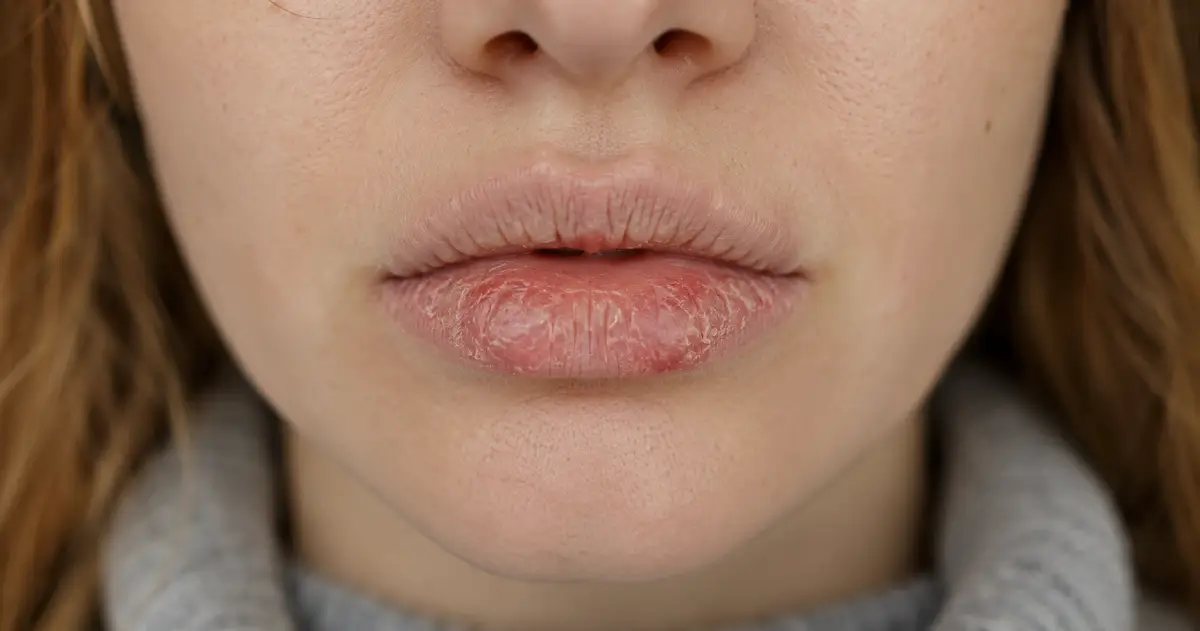
Dry Mouth
Often called “cottonmouth,” dry mouth is among the most common cannabis side effects.
THC temporarily reduces saliva production, leaving your mouth feeling dry or sticky.
How to manage it
- Drink water
- Sip electrolyte drinks
- Chew sugar-free gum
- Suck on sugar-free candies
Dry Eyes
Many people also notice dry, irritated, or bloodshot eyes after consuming THC gummies.
Lubricating eye drops can help relieve discomfort.
Increased Heart Rate
One of the most common questions online is:
Are Edibles Bad for Your Heart?
For healthy adults, THC can temporarily increase heart rate (tachycardia) shortly after consumption.
Research shows THC may:
- Raise heart rate
- Cause temporary blood pressure changes
- Increase cardiac workload for a short period
These changes are usually temporary and resolve as THC wears off.
However, individuals with existing cardiovascular disease should speak with a healthcare provider before using cannabis products because THC may increase cardiovascular stress in some people, particularly at higher doses.
Current evidence does not show that cannabis edibles directly damage the heart in healthy individuals, but researchers continue studying long-term cardiovascular effects.
Dizziness
Feeling lightheaded is another common side effect.
This can happen because THC temporarily affects:
- Blood pressure
- Balance
- Coordination
Standing up slowly and staying hydrated often helps.
Sleepiness
Many THC gummies produce relaxing effects.
Higher doses often lead to:
- Drowsiness
- Heavy eyelids
- Reduced alertness
This is why you should avoid:
- Driving
- Operating machinery
- Performing hazardous tasks
until all effects have completely worn off.
Impaired Coordination
THC affects the brain areas responsible for movement and reaction time.
Temporary impairment may include:
- Slower reflexes
- Reduced balance
- Poor coordination
- Delayed decision-making
These effects explain why driving under the influence of cannabis remains illegal throughout the United States.
Changes in Perception
Higher THC doses may alter:
- Sense of time
- Visual perception
- Sound perception
- Distance estimation
These effects are usually temporary and fade gradually.
Increased Appetite
Many people experience the famous “munchies.”
THC interacts with receptors involved in hunger regulation, making food smell and taste more appealing.
Preparing healthy snacks ahead of time can help prevent overeating.
Psychological Side Effects of THC Gummies
Physical side effects aren’t the only possibility.
THC can also temporarily affect mood and thinking.
Anxiety
One of the most common THC gummies side effects is anxiety.
This is more likely if you:
- Consume too much THC
- Are new to cannabis
- Already experience anxiety
- Use cannabis in an unfamiliar setting
The anxiety usually improves as THC wears off.
Panic
Very high doses may cause panic attacks.
Symptoms may include:
- Racing thoughts
- Sweating
- Rapid heartbeat
- Fear
- Feeling out of control
Although these experiences can feel frightening, they generally resolve without lasting harm.
Paranoia
Some users become suspicious or fearful after consuming too much THC.
This side effect is more common with:
- High-potency cannabis edibles
- Large servings
- Low cannabis tolerance
Confusion
Very strong edible doses can temporarily affect concentration and memory.
Someone may struggle to:
- Follow conversations
- Complete simple tasks
- Remember recent events
These effects improve as THC levels decline.
Can Edibles Make You Hallucinate?
At extremely high THC doses, some individuals may experience:
- Visual distortions
- Auditory changes
- Intense confusion
- Temporary hallucination-like experiences
These reactions are uncommon but have been reported, particularly after consuming high-potency edible products or accidentally ingesting excessive amounts.

Are Edibles Bad for Your Heart?
This question deserves a closer look because it’s one of the fastest-growing cannabis health searches.
Current research suggests:
Healthy adults generally tolerate occasional cannabis use without serious cardiovascular complications.
However, THC temporarily increases:
- Heart rate
- Cardiac output
- Oxygen demand
People who may face greater risks include those with:
- Coronary artery disease
- Prior heart attack
- Irregular heart rhythms
- Uncontrolled high blood pressure
Researchers continue studying the relationship between cannabis and cardiovascular health. A large observational study published in JAMA Internal Medicine found an association between daily cannabis use and increased cardiovascular events, but it did not establish that cannabis directly caused those events. More research is needed to determine causation and identify which users may face the greatest risk.
If you have heart disease or significant cardiovascular risk factors, discuss cannabis use with your healthcare provider before trying THC edibles.
What Happens If You Eat Too Many THC Gummies?
Consuming excessive THC is uncomfortable but rarely life-threatening in healthy adults.
Common symptoms include:
- Severe anxiety
- Panic
- Rapid heartbeat
- Confusion
- Extreme sleepiness
- Difficulty concentrating
- Poor coordination
- Nausea
- Vomiting
Some people also experience temporary paranoia or feel detached from reality.
Fortunately, these symptoms almost always improve with time.
What Should You Do If You Take Too Much?
If you’ve consumed too much THC:
Stay Calm
Remember that edible effects are temporary.
Even intense symptoms usually improve within several hours.
Find a Safe Place
Sit or lie down somewhere quiet.
Avoid stimulating environments.
Drink Water
Hydration won’t eliminate THC but can help relieve dry mouth and improve comfort.
Eat a Light Snack
Some people feel better after eating a small meal.
Avoid Alcohol
Alcohol may increase THC absorption and worsen impairment.
Ask Someone to Stay With You
If possible, have a trusted friend remain nearby until you feel normal again.
When Should You Seek Medical Help?
Most edible experiences resolve without emergency treatment.
However, seek immediate medical care if someone experiences:
- Chest pain
- Difficulty breathing
- Loss of consciousness
- Seizures
- Severe confusion that doesn’t improve
- Aggressive behavior posing immediate danger
Children who accidentally consume cannabis edibles should receive prompt medical evaluation because they are more sensitive to THC.
How to Reduce the Side Effects of Edibles
Most unpleasant experiences can be prevented with responsible use.
Start Low
Beginners should generally start with 2.5–5 mg THC.
Wait Long Enough
Wait at least two hours before taking additional THC.
Many accidental overconsumption cases happen because users think the first dose “isn’t working.”
Read the Label Carefully
Always check:
- THC per serving
- THC per package
- Serving size
- Ingredients
Some gummies contain multiple servings.
Buy Lab-Tested Products
Choose dispensaries that provide products tested for:
- THC potency
- Contaminants
- Heavy metals
- Pesticides
- Residual solvents
Testing helps ensure more predictable dosing and product quality.
Avoid Mixing With Alcohol
Alcohol may intensify THC’s effects and increase impairment.
Use Edibles in a Comfortable Environment
Relaxing surroundings can reduce anxiety and make your experience more enjoyable.
Who Should Be Extra Careful With THC Edibles?
Some individuals should exercise additional caution or avoid THC unless advised otherwise by a healthcare professional.
These include:
- Pregnant or breastfeeding individuals
- People with serious heart disease
- Individuals with a history of psychotic disorders
- Older adults sensitive to falls
- Anyone taking medications that may interact with cannabis
If you’re unsure whether cannabis is appropriate for you, consult your healthcare provider.
Are THC Gummies Safer Than Smoking?
THC gummies eliminate many risks associated with inhaling smoke because they don’t involve combustion.
Potential advantages include:
- No smoke exposure
- No combustion byproducts
- Discreet use
- Longer-lasting effects
- Consistent dosing from regulated products
However, edibles also carry unique risks, particularly delayed onset and accidental overconsumption.
Neither method is completely risk-free.
Frequently Asked Questions
What are the most common side effects of edibles?
Dry mouth, dry eyes, increased heart rate, dizziness, sleepiness, anxiety, impaired coordination, increased appetite, and changes in perception are among the most common side effects.
How long do THC gummies side effects last?
Most effects last between 6 and 8 hours, although larger doses may produce lingering effects for up to 12 hours in some individuals.
Are edibles bad for your heart?
For most healthy adults, THC causes temporary increases in heart rate and blood pressure changes. People with cardiovascular disease should consult a healthcare provider before using cannabis because THC may increase cardiac stress.
Can you overdose on THC edibles?
While consuming too much THC can lead to severe intoxication and distressing symptoms, fatal overdose from THC alone has not been documented in the medical literature. However, overconsumption can require medical attention, particularly in children or individuals with underlying health conditions.
Why do edibles feel stronger than smoking?
THC is converted by the liver into 11-hydroxy-THC, which generally produces stronger and longer-lasting psychoactive effects than inhaled THC.
Should beginners use THC gummies?
Yes, but beginners should start with a low dose (typically 2.5–5 mg THC), wait at least two hours before taking more, and purchase products from reputable dispensaries.
Final Thoughts
Understanding the side effects of edibles doesn’t mean you should avoid them—it means you can use them more responsibly. Most THC gummies side effects are temporary, dose-dependent, and manageable when you choose the right serving size and give the edible enough time to work.
If you’re wondering whether side effects of THC edibles are normal, the answer is often yes. Dry mouth, increased appetite, mild dizziness, drowsiness, and temporary changes in mood or perception are common experiences. More serious reactions are uncommon but can occur, particularly after consuming high doses or if you have certain underlying health conditions.
By starting low, waiting patiently, purchasing lab-tested products, and using cannabis in a comfortable environment, you can significantly reduce your chances of an unpleasant experience.
If you’re ready to enjoy high-quality, accurately dosed cannabis products, explore the premium selection of THC gummies at BuyMyWeedUSA.com. With reliable products and a wide variety of edible options, you’ll be better equipped to find the experience that fits your needs.
References
American Addiction Centers. (2025, Apr 17). Risks of Marijuana Edibles. Available at: https://americanaddictioncenters.org/marijuana-rehab/risks-of-edibles
McCrimmon, K. K. UCHealth. (2026, March 20). Five Things You Should Know About Marijuana Edibles. Available at: https://www.uchealth.org/today/five-things-you-should-know-about-marijuana-edibles/
Morgan, K. K. Medically Reviewed by Z. Sheikh, MD. (2026, May 19). Edibles: Types and How to Use Them Safely. Available at: https://www.webmd.com/mental-health/addiction/edibles
