
Cannabis Concentrates
How Hash Is Made: Methods, Process, and What Beginners Should Know

May
Hash has been one of the most respected cannabis concentrates for centuries—valued for its potency, flavor, and versatility. But if you’ve ever wondered how hash is actually made, the answer goes deeper than simply “compressing cannabis.”
Behind every piece of high-quality hash is a process focused on isolating and preserving the most valuable part of the plant: the trichomes.
In this guide, you’ll learn:
- What hash is and why it’s different from flower
- How hash is made (conceptually, not dangerously detailed)
- The most common methods used today
- The role of kief and hash presses
- How to identify high-quality hash
- Why many users choose to buy instead of make their own
Whether you’re a beginner or just looking to better understand cannabis concentrates, this guide will give you a clear, practical overview.
What Is Hash?
Hash (short for hashish) is a cannabis concentrate made by collecting and compressing trichomes—the tiny resin glands found on cannabis flowers.
These trichomes are where the plant stores:
- THC and CBD (cannabinoids)
- Terpenes (flavor and aroma compounds)
- Other active compounds that influence effects
Because hash is made from concentrated trichomes rather than whole plant material, it tends to be:
- More potent than flower
- More flavorful due to preserved terpenes
- More compact and shelf-stable
Hash has been traditionally produced in regions like Morocco, Afghanistan, and India, but modern techniques have expanded how it’s made and consumed today.
How Is Hash Made? (The Core Principle)
At its simplest, the process of making hash involves two key steps:
1. Separating trichomes from the plant
2. Compressing those trichomes into a solid form
Everything else—tools, techniques, and variations—exists to improve how efficiently and cleanly those steps happen.
The goal is always the same:
Extract the most potent, resin-rich part of the cannabis plant while minimizing unwanted plant material.
Understanding Trichomes: The Foundation of Hash
To really understand hash, you need to understand trichomes.
These microscopic, crystal-like structures:
- Sit on the surface of cannabis buds
- Contain the highest concentration of cannabinoids
- Are fragile and can be separated with friction, cold, or agitation
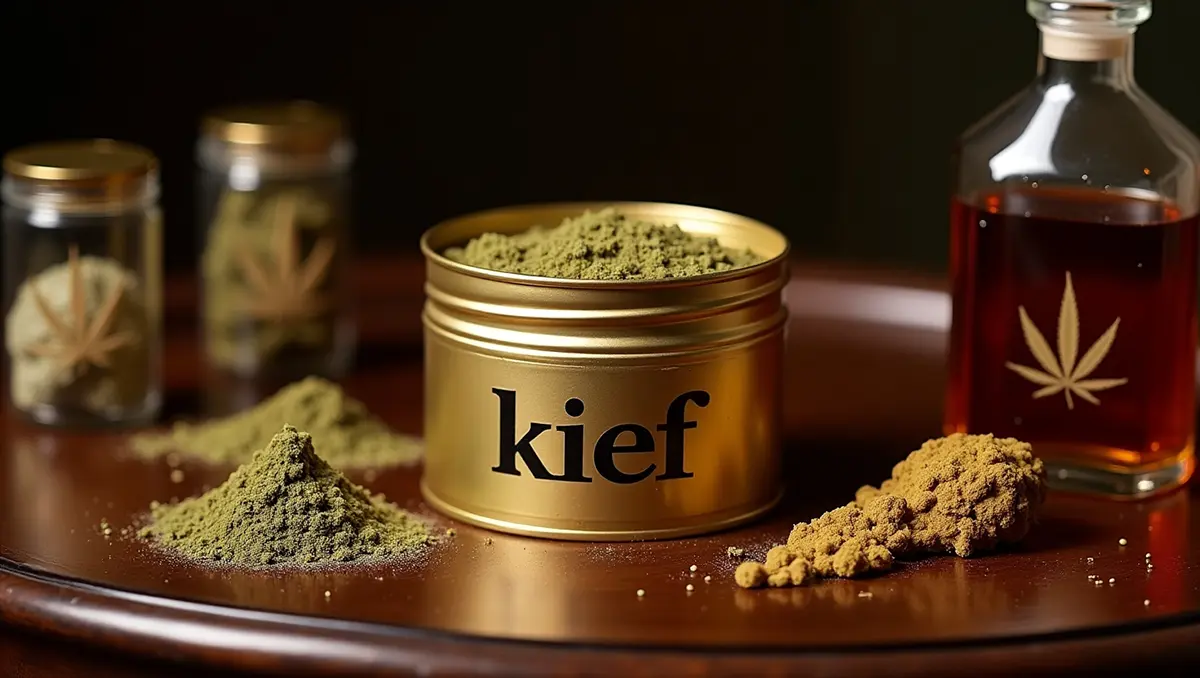
When trichomes are collected and left loose, they’re called kief.
When they’re compressed into a solid form, they become hash.
What Is Kief (and Why It Matters)?
Kief is essentially unpressed hash.
It appears as a fine, powdery substance and is commonly found:
- At the bottom of cannabis grinders
- In sifting screens
- During cannabis processing
Kief is important because:
- It’s the easiest starting point for making hash
- It already contains concentrated trichomes
- It requires minimal processing to convert into hash
How Hash Is Made From Kief (Conceptual Overview)
When people ask how to make hash from kief, they’re referring to transforming loose trichomes into a solid product.
At a high level, this involves:
- Applying pressure
- Sometimes using gentle heat
- Compressing the material into a dense form
This process:
- Activates natural oils in the resin
- Helps particles bind together
- Improves texture and durability
The final product can range from:
- Crumbly and dry
- To sticky and pliable
The exact texture depends on how much pressure and heat are used.
Common Methods Used to Make Hash
There isn’t just one way to make hash. Different methods exist, each with its own advantages.
1. Dry Sifting (Kief-Based Hash)
Dry sifting involves passing cannabis through fine screens to separate trichomes.
Key characteristics:
- Produces kief first
- Often followed by pressing
- Simple and widely used
Pros:
- Minimal equipment needed
- Preserves terpene profile well
Cons:
- May include more plant material if not refined
2. Ice Water Extraction (Bubble Hash)
This method uses cold water and ice to make trichomes brittle so they detach from the plant.
How it works (conceptually):
- Cannabis is agitated in ice water
- Trichomes sink due to density
- Filters collect the resin
Pros:
- Very clean and pure
- High-quality end product
Cons:
- More time-consuming
- Requires specialized equipment
3. Hand-Rolled Hash (Traditional Method)
Used for centuries in regions like India and Nepal, this method involves manually collecting resin.
Key traits:
- Uses friction from hands
- Produces soft, sticky hash
Pros:
- Traditional and artisanal
- Unique texture and flavor
Cons:
- Labor-intensive
- Less consistent
4. Pressed Kief (Modern Method)
This is one of the most common modern approaches.
Process:
- Collect kief
- Compress it using a tool (hash press)
- Form into blocks or discs
Pros:
- Consistent results
- Easy to scale
Cons:
- Requires some equipment
What Is a Hash Press?
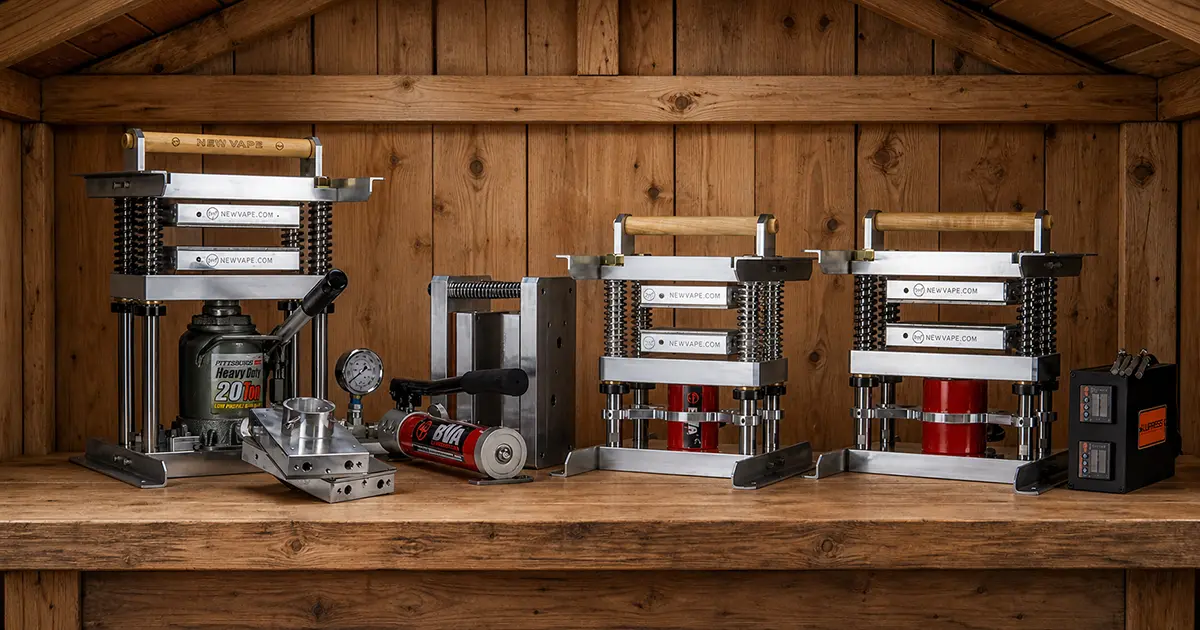
A hash press is a tool used to compress kief into solid hash.
It applies consistent pressure to create a uniform product.
Types of hash presses:
Manual presses
- Simple, affordable
- Good for small batches
Pollen presses
- Compact and popular
- Easy to use
Hydraulic presses
- More advanced
- Used for professional-level consistency
Pressing Kief: What Actually Happens?
When kief is pressed:
- Trichomes fuse together
- Natural oils act as a binding agent
- Air pockets are reduced
This results in:
- A denser product
- Improved shelf life
- A smoother consumption experience
The pressure and temperature used can significantly affect:
- Texture
- Color
- Potency
Types of Hash You’ll Find
Understanding different types of hash helps you choose what fits your preferences.
Dry Sift Hash
- Made from screened kief
- Often pressed afterward
Bubble Hash
- Ice water extraction
- Known for purity
Hand-Rolled Hash
- Traditional
- Sticky and soft
Pressed Kief Hash
- Modern, consistent
- Common in dispensaries
How to Tell High-Quality Hash
Not all hash is created equal. Here’s how to evaluate it:
1. Color
- Light blonde → often cleaner and higher quality
- Dark brown → more oxidized or heavily processed
2. Texture
- Should be slightly sticky or pliable (depending on type)
- Avoid overly dry or powdery hash
3. Aroma
- Strong, rich cannabis scent
- Indicates preserved terpenes
4. Melt Test (Advanced Users)
- High-quality hash melts cleanly
- Leaves minimal residue
Common Mistakes Beginners Make
Even though making hash sounds simple, there are common pitfalls:
- Using low-quality starting material
- Applying too much heat (damaging cannabinoids)
- Over-handling (losing trichomes)
- Poor storage (leading to degradation)
These mistakes can significantly reduce quality.
DIY Hash vs Buying: Which Is Better?
While learning how hash is made is valuable, there’s a clear difference between DIY and professional products.
DIY Hash
Pros:
- Educational
- Customizable
Cons:
- Inconsistent results
- Time and effort required
- Risk of contamination
Dispensary Hash
Pros:
- Lab-tested for safety and potency
- Consistent quality
- Ready to use
Cons:
- Costs more than DIY
Why Many Users Prefer Buying Hash
For most users, buying hash is the more practical option.
1. Consistency
Professionally produced hash is made under controlled conditions.
2. Purity
Licensed products are tested for:
- Contaminants
- Potency
- Safety
3. Convenience
No equipment, no process—just ready-to-use product.
4. Reliability
You know exactly what you’re getting.
Where to Buy High-Quality Hash Online
If you’re looking for premium hash without the guesswork, trusted cannabis dispensaries are the best option.
Buy My Weed USA offers:
- Premium hash and cannabis concentrates
- Lab-tested, high-quality products
- Discreet shipping across the U.S.
- Competitive pricing
Whether you’re interested in traditional hash or modern concentrates, sourcing from a reputable provider ensures safety and consistency.
Storage Tips for Hash
Proper storage helps maintain potency and flavor.
Best practices:
- Keep in a cool, dark place
- Avoid air exposure
- Use airtight containers
Improper storage can lead to:
- Dryness
- Loss of terpenes
- Reduced effectiveness
Final Thoughts
Hash remains one of the most iconic cannabis concentrates for a reason.
The process of making it—separating and compressing trichomes—has stayed consistent for centuries, even as techniques have evolved.
Understanding how hash is made gives you:
- A deeper appreciation for cannabis craftsmanship
- Better ability to choose high-quality products
- Insight into what affects potency and flavor
While DIY methods can be interesting to learn about, most users find that professionally made hash offers the best balance of quality, safety, and convenience.
👉 Ready to experience premium hash?
Explore top-tier products from Buy My Weed USA and discover the difference that quality makes.
References:
Drugs.com. (2026). Hashish. Available at: https://www.drugs.com/illicit/hashish.html
Leafwell Team. (2022). What Is Kief, and Should You Use It? Available at: https://leafwell.com/blog/what-is-kief-and-should-you-use-it
Buchanan, M. (2023, March 6). Turn Your Kief Into Hash With This 5-Step Guide. The Green Dorphin. Available at: https://greendorphin.com/turn-your-kief-into-hash-with-this-5-step-guide/
Dr. Louisa Degenhardt, Ph.D, AO, FAA, FASSA, FAHMS
