
Cannabis Edibles
Can You Take Edibles on a Plane? What You Need to Know Before You Fly

Oct
Introduction: The Confusion Around Edibles and Air Travel
If you’ve ever packed for a trip and wondered, “Wait—can I bring my weed gummies on the plane?” you’re not alone. As cannabis legalization spreads across the United States, travellers are bumping into a maze of overlapping rules. Some states say yes, the federal government says no, and the Transportation Security Administration (TSA) sits in the middle trying to keep airports safe.
This guide will walk you through what the rules actually say, why the situation is so confusing, and what safer, fully legal options you have. We’ll focus on awareness and compliance—not shortcuts—so you can travel confidently and stay out of trouble.
Understanding the Legal Landscape
Federal Law vs. State Law
Here’s the key fact that surprises many travellers: airports and airplanes fall under federal jurisdiction. That means even if you depart from and arrive in states that have legalized cannabis, federal law controls everything that happens once you enter an airport checkpoint or board a plane.
Under the U.S. Controlled Substances Act, marijuana—including THC-infused edibles—is still classified as a Schedule I controlled substance. In plain English, that makes it illegal to possess or transport, regardless of local state laws.
State laws vary widely. Some allow recreational cannabis, some only medical, and others none at all. But state permission stops at the airport gate. The moment federal rules apply, legality changes.
What the TSA Actually Says
The TSA’s focus is on security threats, not drugs, but its officers are required to act if they encounter something illegal under federal law. The agency’s public statement says:
“TSA officers do not search for marijuana or other illegal drugs. However, if a substance that appears to be marijuana is discovered during security screening, TSA will refer the matter to law enforcement.”
That means even if TSA isn’t hunting for cannabis, they must report it if found. Depending on the airport and local police policy, that could mean confiscation, a warning, or potentially legal charges.
So, can you “fly with edibles”? Not safely. If the product contains more than trace amounts of THC, you’re breaking federal law the moment you carry it through screening.
Hemp and CBD Products: A Narrow Exception
You may have heard about the 2018 Farm Bill, which legalized hemp and hemp-derived products containing no more than 0.3% THC by dry weight. That law opened the door for CBD gummies, tinctures, and topicals that meet the federal definition of hemp.
If your product is:
- clearly labelled as hemp-derived,
- contains ≤ 0.3% THC, and
- comes with verifiable lab testing results,
then technically it’s federally legal to possess.
However, legality doesn’t equal TSA approval. Officers may still detain you if they can’t immediately verify the product’s content. The safest approach is to keep all documentation—lab reports, original packaging, and receipts—if you choose to travel with CBD. Even then, expect possible delays or questions.
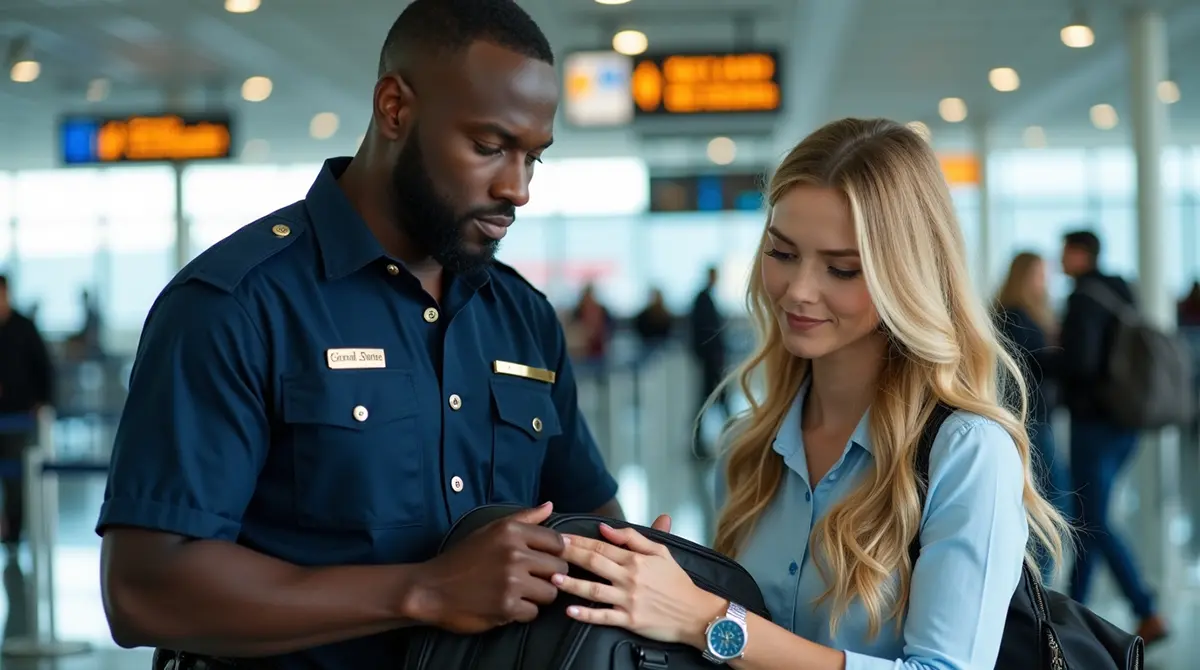
Why Carrying THC Edibles Is Risky
Let’s break down the potential outcomes.
1. Confiscation at Security
If TSA finds THC edibles, they will contact airport police. The best-case scenario is that the items are confiscated and you miss your flight while the situation is sorted out.
2. State-Level Legal Trouble
Airports partner with local law enforcement. If your departure or arrival state has stricter laws, officers may issue citations or, in rare cases, make arrests.
3. Federal Consequences
Crossing state lines with THC products—especially on a plane—counts as interstate transport of a controlled substance, a federal offense. While small personal amounts rarely result in prosecution, it is legally possible.
4. International Travel Risks
Leaving or entering the United States with cannabis of any kind (THC or CBD) can result in severe penalties. Many countries have zero-tolerance laws, including jail time for possession.
In short, the risk is never worth the convenience.
How to Travel Legally and Comfortably
1. Buy at Your Destination
If you’re travelling to a state where cannabis is legal, plan to make your purchase after you land. Many dispensaries—including Buy My Weed USA partners—operate under state licensing and can verify compliance before sale.
2. Use Hemp-Derived Alternatives
For relaxation or wellness without THC, consider hemp-based gummies or CBD oils that meet the federal 0.3% THC limit. Keep documentation handy and research local laws at your destination.
3. Focus on Non-Cannabis Travel Solutions
If your goal is to ease travel stress, there are many legal ways to do so: herbal teas, mindfulness apps, or even melatonin gummies (non-cannabis). None of those raise federal concerns.
4. Mail Ahead or Leave Behind
If you must bring something, check whether your destination allows legal shipments within state lines (for compliant hemp products). Otherwise, the safest move is to enjoy your edibles at home before you leave.
How State Policies Complicate Things
Here’s where travellers get tripped up: even two “legal” states may not have identical rules.
For example:
- California allows personal possession of cannabis.
- Nevada also allows recreational use.
- But transporting cannabis across the California-Nevada border is federally illegal.
The same applies to medical marijuana. Your card from one state may not be valid in another. Always verify reciprocity laws before you travel.
Some airports—like Los Angeles International (LAX)—have “amnesty boxes” where travellers can discard cannabis before security. But that doesn’t make it legal to board the plane with it.
What If You’re Caught with Edibles?
If TSA or law enforcement stops you because of suspected edibles:
- Stay calm. Arguing or panicking only makes things worse.
- Be polite and cooperative. Officers often have discretion.
- Do not make false statements. Simply explain that you were unaware of the restriction and comply with instructions.
- Ask whether you’re being detained or free to go. This clarifies your rights.
- Don’t consume the product at the airport—that can create additional violations.
Usually, small personal amounts result in confiscation rather than arrest, but outcomes vary.
Why E-E-A-T Matters for Travel Information
This topic falls under what Google calls “Your Money or Your Life” (YMYL)—subjects that can affect people’s safety or legal standing. According to Google’s guidelines, content like this must demonstrate Experience, Expertise, Authoritativeness, and Trustworthiness (E-E-A-T).
At Buy My Weed USA, our compliance writers rely on first-hand industry knowledge, verified legal sources (such as TSA.gov and the Controlled Substances Act), and regular reviews by legal advisors to ensure accuracy. We always encourage readers to verify rules directly with official government websites before travelling.
Realistic Scenarios Travellers Ask About
“What if I’m flying between two legal states?”
Even then, airspace and airports are federal territory. Carrying THC edibles is still illegal in flight.
“What if I pack gummies in checked luggage?”
Same rule. If discovered, they’re subject to confiscation and potential legal follow-up.
“What about CBD gummies with 0.3% THC or less?”
These may be federally legal, but they can still cause delays if TSA can’t verify content. Bring documentation and remain transparent.
“Do medical marijuana cards help?”
Not at airports. Those cards apply only under state programs and carry no weight under federal law.

Tips for Responsible and Stress-Free Travel
- Double-check official TSA and FAA websites a few days before your trip. Rules can change.
- Pack smart: keep all supplements and medications in their original packaging.
- Plan for wellness: hydrate, stretch during layovers, and get enough rest instead of relying on edibles.
- Use legal dispensaries once you reach your destination—verify their licensing and testing standards.
- Stay informed: subscribe to credible news or regulatory updates on cannabis policy.
The Future of Cannabis and Air Travel
Many advocates expect federal cannabis reform in the coming years. Proposed bills in Congress aim to remove cannabis from Schedule I and create nationwide standards for possession and sale. If that happens, TSA and airline rules could change dramatically.
Until then, the safest—and most law-abiding—approach is simple: leave THC products at home.
When in doubt, remember that federal law always overrides state law in airports and airplanes. Travelling legally protects not just your products but your peace of mind.
Key Takeaways
- Airports = federal law, regardless of state rules.
- TSA must report THC edibles to law enforcement.
- Hemp and CBD ≤ 0.3% THC are federally legal but still risky to fly with.
- Never carry THC edibles on a plane—confiscation or charges are possible.
- Buy legally at your destination or use non-cannabis alternatives.
- Always check TSA and state websites for the latest rules.
Why Buy My Weed USA Emphasizes Compliance
At BuyMyWeedUSA.com, we believe that informed consumers make responsible choices. We provide educational content, lab-tested products for use in compliant states, and transparency about federal and state differences.
Our mission is to support adult consumers who want quality cannabis experiences without legal surprises. Before you travel, take a moment to read through our guides or contact your local dispensary for clarification.
Disclaimer
This article is for educational purposes only and does not constitute legal advice. Cannabis laws change frequently. Always consult official sources such as TSA.gov, DEA.gov, or your state’s regulatory agency before travelling with any cannabis-related product.
Frequently Asked Questions
Q 1: Can I bring edibles on a plane if they contain THC?
A: No. All THC-containing edibles are illegal under federal law, even if you’re travelling between legal states.
Q 2: What about CBD edibles derived from hemp?
A: If they contain 0.3% THC or less and are clearly labelled as hemp-derived, they are federally legal but may still cause delays at security.
Q 3: Will TSA arrest me for carrying weed gummies?
A: TSA does not arrest travellers but must refer violations to local law enforcement. Outcomes vary by airport and state.
Q 4: Can I fly internationally with CBD products?
A: No. Other countries often have strict laws that treat all cannabis derivatives as illegal. Leave them at home.
Q 5: What’s the best way to stay compliant and relaxed while travelling?
A: Research laws, avoid carrying THC products, and consider legal alternatives like hemp-based gummies or simple wellness habits.
Final Thought
Travel is exciting—don’t let confusion over cannabis laws ruin it. Keep your trip stress-free, stay informed, and remember that following the rules is always the best kind of high ground.
References
Government of Canada. A FRAMEWORK FOR THE LEGALIZATION AND REGULATION OF CANNABIS IN CANADA. Available at: https://www.canada.ca/content/dam/hc-sc/healthy-canadians/migration/task-force-marijuana-groupe-etude/framework-cadre/alt/framework-cadre-eng.pdf
Health Canada (2025, October 8). Cannabis Laws and Regulations. Government of Canada. Available at: https://www.canada.ca/en/health-canada/services/drugs-medication/cannabis/laws-regulations.html
